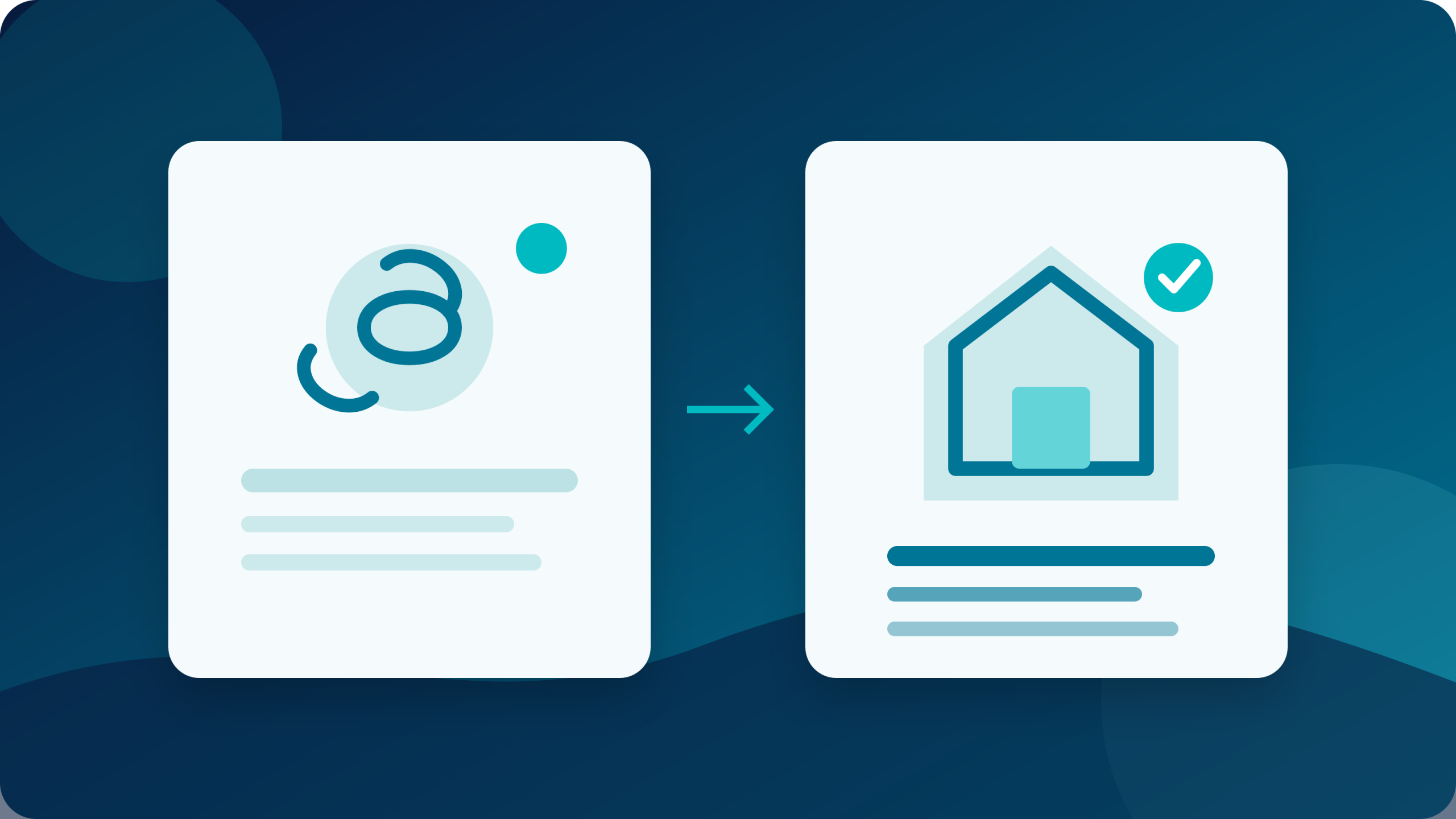
ChatGPT can write property copy. The difference is not whether a language model can produce sentences; it is how the full estate-agent workflow around inputs, rules, outputs, data handling and approval is managed.
General chatbots start with the prompt
With a general chatbot, the employee normally collects the property details, decides what to upload, writes the prompt and then copies the answer into the relevant fields. That can work, but the process depends heavily on the individual user.
A dedicated workflow starts with the listing
EstatePitch is built around the property record. Photos, floor plans, structured information and writing profiles can be combined before several text fields are generated in one controlled flow.
Brand rules should not live in every employee’s memory
A dedicated system can store preferred tone, field lengths, words to avoid and other rules centrally. That reduces prompt variation and gives the organisation a more consistent output.
Data residency is a separate question
Ordinary use of general AI services does not automatically guarantee the same data-residency setup. EstatePitch is configured so personal data in the solution is processed and stored in Europe. Some enterprise and API services can also be configured for regional data residency, but that requires the correct product and setup.
The best comparison is workflow, not model name
The buying decision should focus on how much manual work remains, how reliably organisational rules are applied and whether the data-processing setup fits the company’s requirements.
The strongest AI workflow is usually the one that removes repeatable production work while keeping factual judgement, consent and final approval with the estate agency.